USE CASE
Amazon listing images
Amazon is the strictest surface you sell on, and the rules are not suggestions. Get the main image wrong and the listing suppresses.

Your product


Your style



How it works

GOOD TO KNOW
The slots after the first one
The main image is a specification, not a creative brief. Amazon asks for a pure white background, at least a thousand pixels on the longest side, and the product filling most of the frame. It also asks that the image represent the actual product, which is the part that matters here.
That rule is the reason to keep your real packshot as the main image and use generated scenes for everything after it. The supporting slots are where a listing is won: in use, in context, at scale, beside what it comes with.
One more thing worth knowing. Amazon now asks sellers to flag images containing photorealistic AI-generated people. If your supporting images include a model, that disclosure is part of the job.
Use the moodboard so the supporting images look like your brand and not like a marketplace template. That is usually the only thing separating two listings with the same specification.
Staying on brand
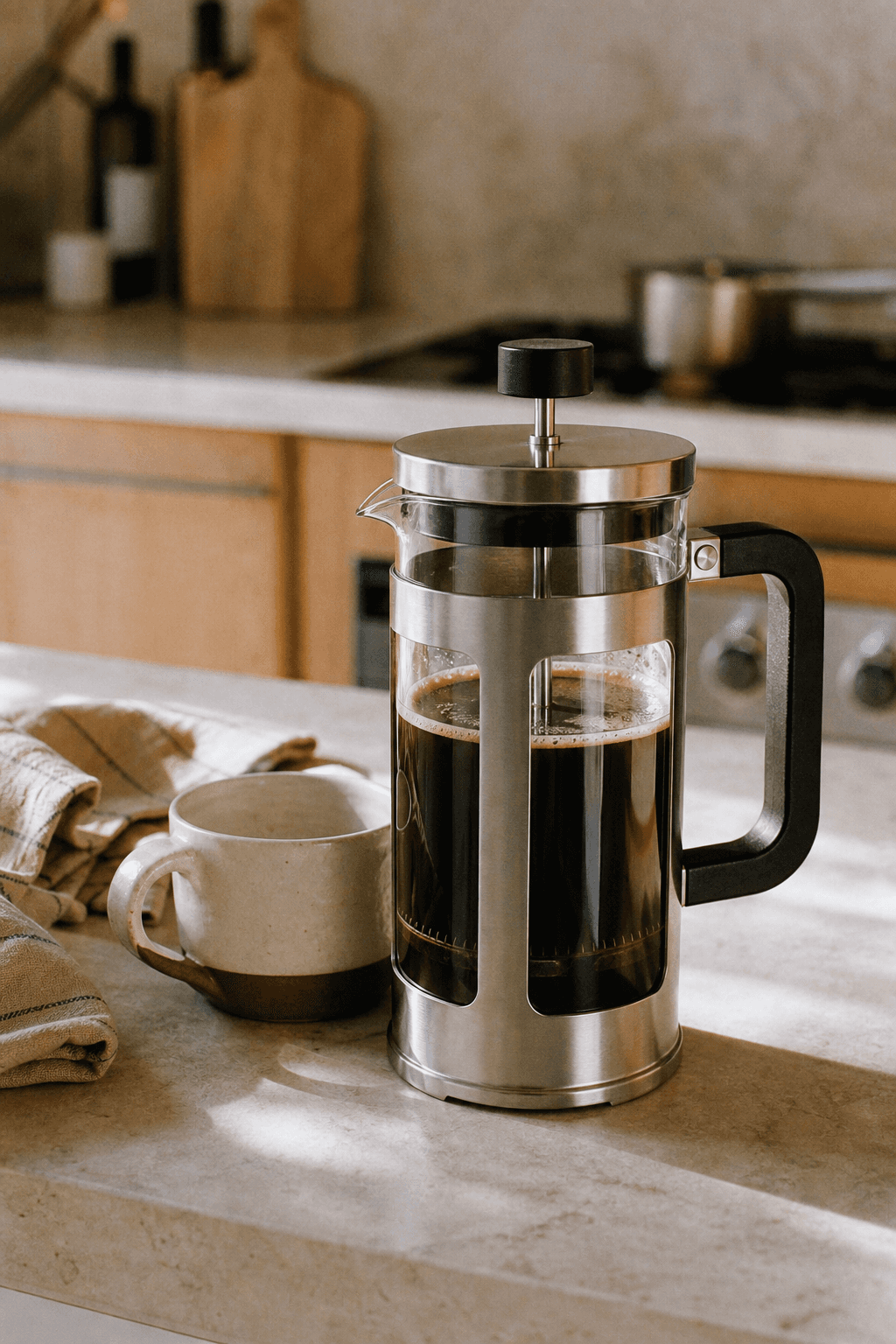
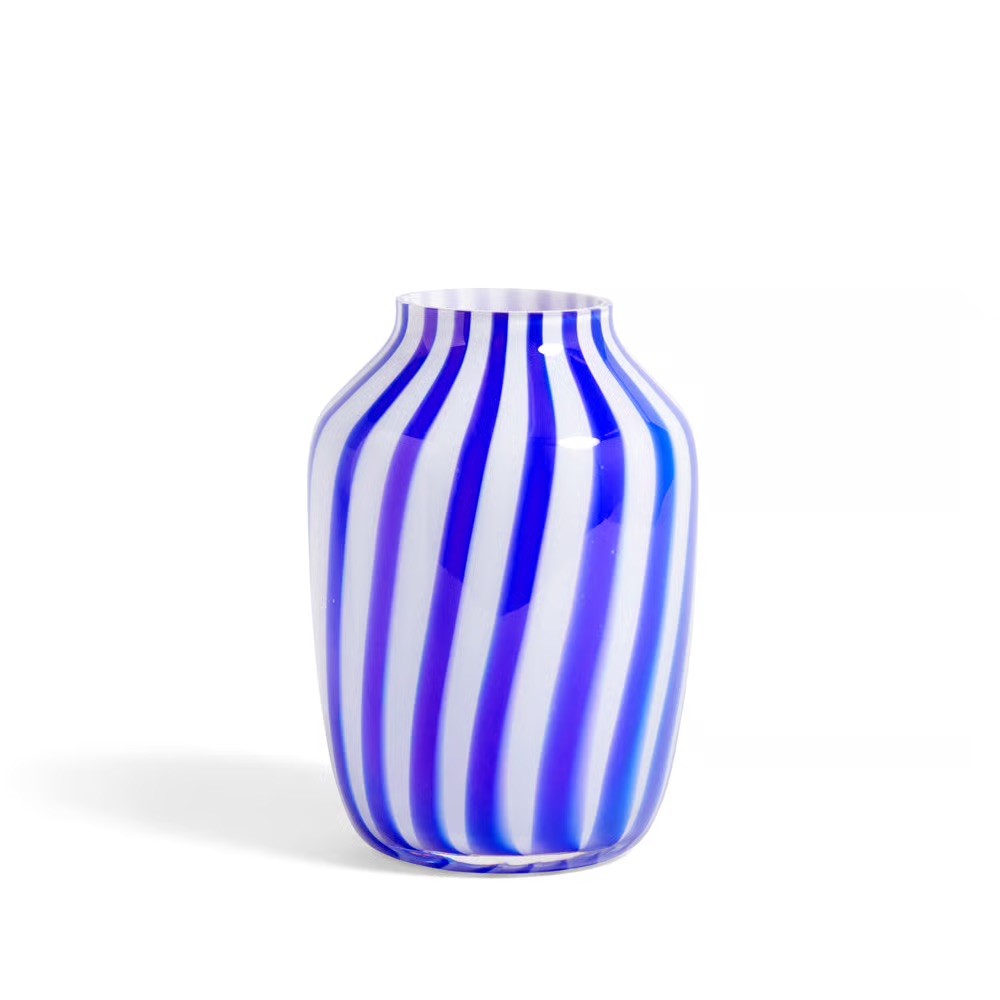
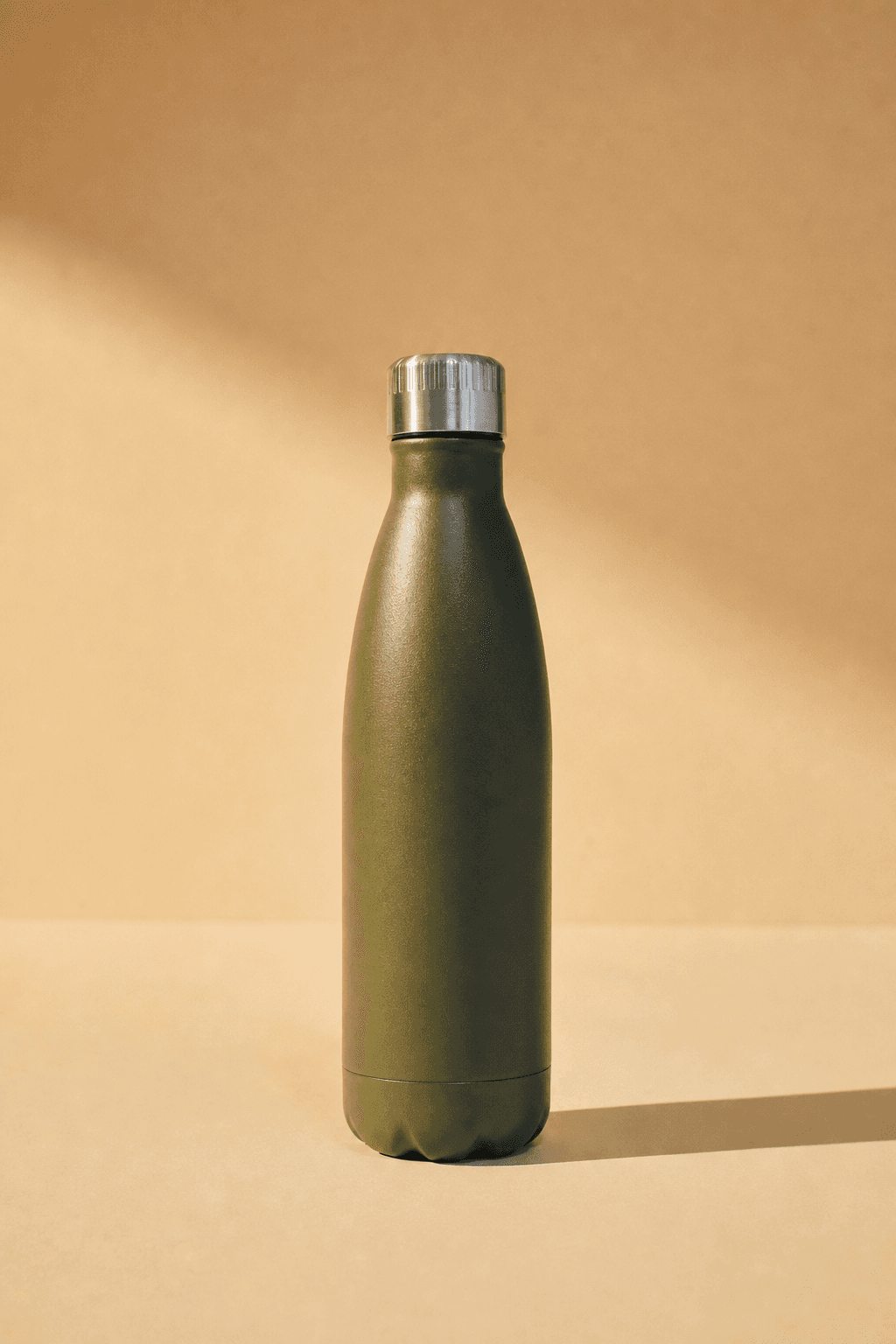
Every image on this page came out of one object and one set of reference images. That is the method: hold still what must not change, and let everything else vary.

Above: the reference images. Below: what came out of them, with the product unchanged.
Your brand book does not cover photography
Colour, typography and the logo are documented to the millimetre. Photography gets half a page and the word authentic. Adjectives do not survive a handover; a reference image does.
Drift happens between handovers
A different photographer, a brighter crop, a warmer grade. Every image was approved by someone reasonable, and a year later the feed no longer looks like the brand.
The style is the asset
Products turn over every season. The way they are photographed is what carries recognition across years, which makes it the part worth holding still.
Questions
Are AI-generated images allowed on Amazon?
Amazon allows them provided the image accurately represents the product and meets the existing image requirements. Marketplace policy changes, so verify the current rules for your category before you publish.
What about the main image?
Keep your real packshot there. The main image is a specification: pure white, product filling most of the frame, accurate to what ships. Generated scenes belong in the supporting slots.
What is the rule about AI-generated people?
Amazon asks sellers to identify images that contain photorealistic AI-generated people, using a metadata keyword on the file. Check the current requirement before you upload anything with a model in it.


Get on brand.
Onbrand — on-brand product images. Built by Square One and Sababa.