USE CASE
Food and drink product photos
Food sells on appetite and appetite is made of light. The trouble is that a food shoot needs a stylist, a kitchen and a day, and you need a new image every week.

Your product


Your style


How it works
GOOD TO KNOW
Appetite without a kitchen
Packaging is where most generative tools fall apart. They invent a label, bend a bottle, or rewrite the words on a jar. Onbrand starts from your actual product and keeps it, which is exactly the part a food brand cannot afford to have improvised.
Add the bottle or the jar once. From there you can put it on a marble counter in morning light, on a worn table beside bread, on a pantry shelf, in a hand mid-pour.
Use your own photography as the moodboard and the results land in the same world as the shoot you already paid for, instead of looking like a stock library.
Start with the images you reshoot most: the seasonal variant, the gift set, the new flavour that only exists as a sample.
Staying on brand
Every image on this page came out of one object and one set of reference images. That is the method: hold still what must not change, and let everything else vary.

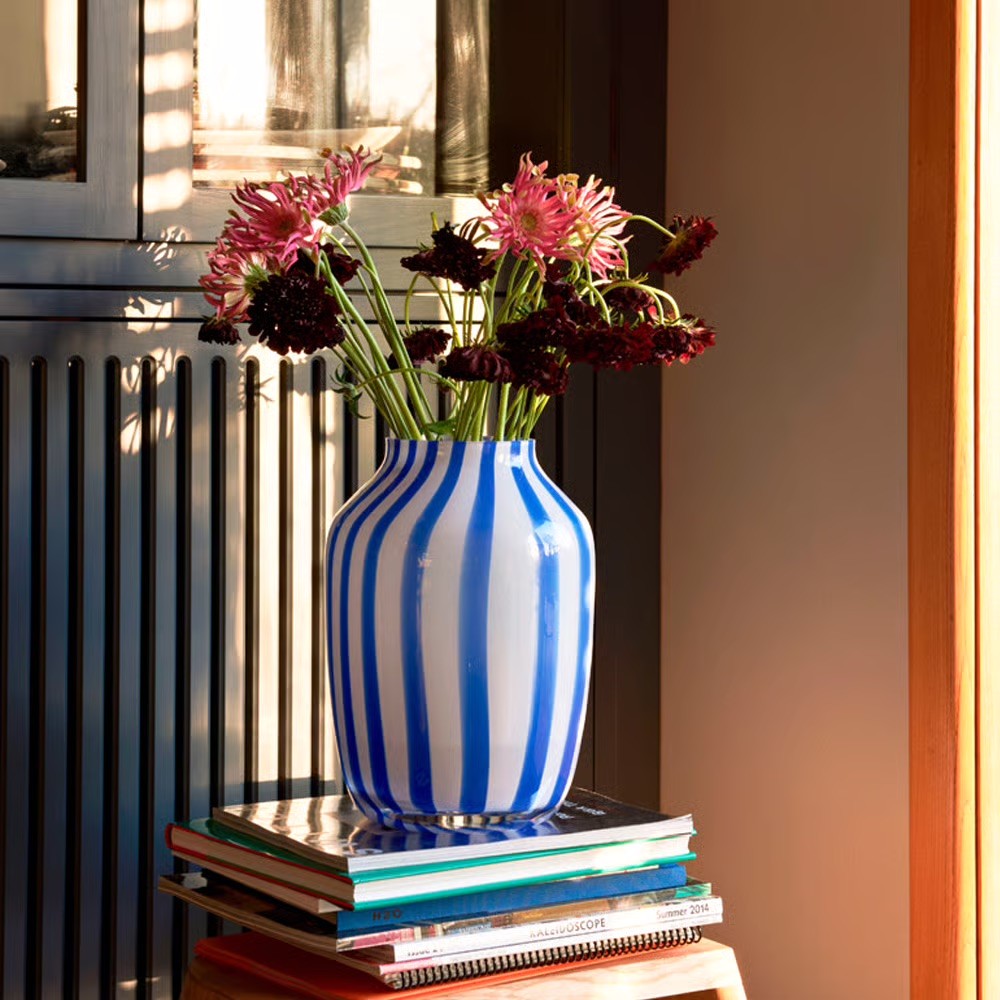
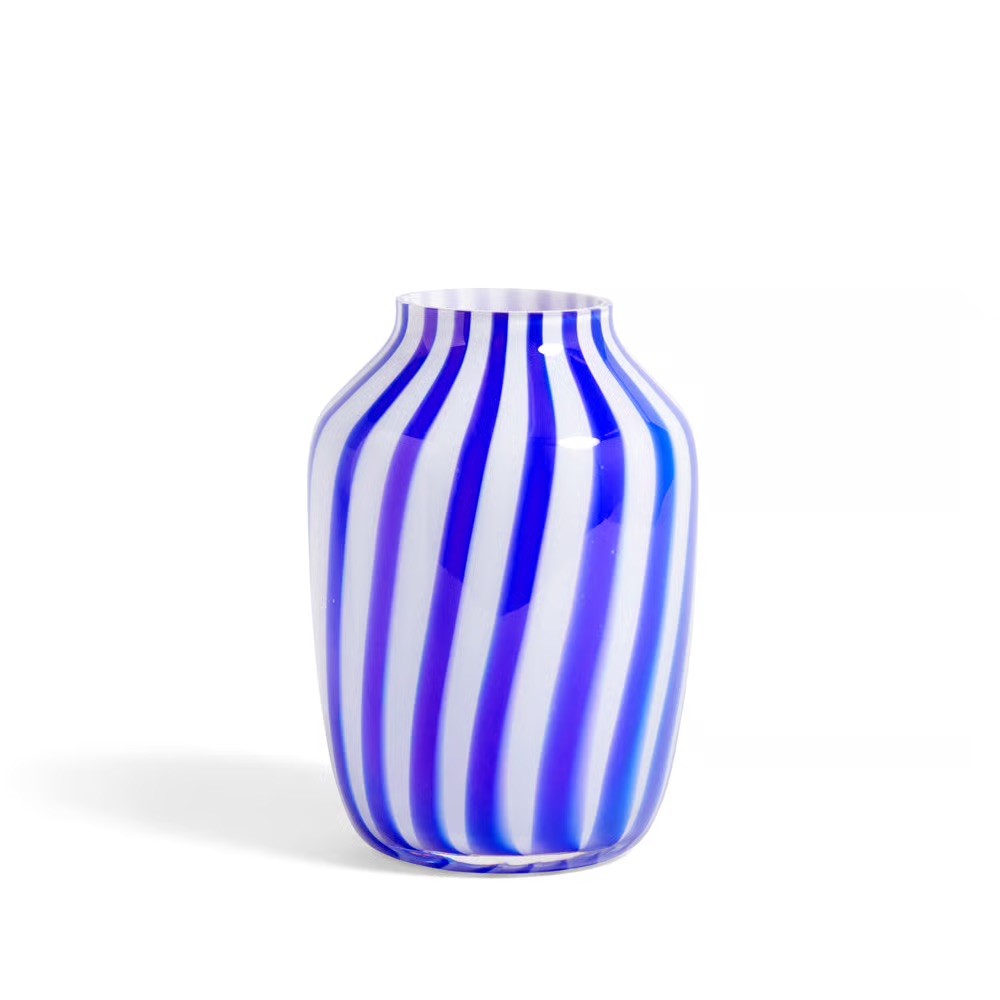
Above: the reference images. Below: what came out of them, with the product unchanged.
Your brand book does not cover photography
Colour, typography and the logo are documented to the millimetre. Photography gets half a page and the word authentic. Adjectives do not survive a handover; a reference image does.
Drift happens between handovers
A different photographer, a brighter crop, a warmer grade. Every image was approved by someone reasonable, and a year later the feed no longer looks like the brand.
The style is the asset
Products turn over every season. The way they are photographed is what carries recognition across years, which makes it the part worth holding still.
Questions
Will it keep the label on my packaging right?
Onbrand reproduces the product you upload rather than generating a similar one. Text on packaging is the hardest case for any generative tool, so check the first set closely at full size before you scale up, and keep your packshot as the source of truth.
Can I show the food itself, not just the packaging?
Yes, but the guarantee is about your product. The dish around it is generated from your prompt and your moodboard, so treat that part as styling rather than as a photograph of a specific recipe.
Does this work for a seasonal range?
That is one of the strongest cases for it. Add each variant as its own object, keep one moodboard for the range, and the whole set comes out of the same world.


Get on brand.
Onbrand — on-brand product images. Built by Square One and Sababa.